



May 31, 2026
If you have been thinking about straightening your teeth, it is natural to want a clear picture of what the process looks like before you begin. Many patients tell us they like the idea of a more comfortable, discreet option, but they also want to know how it works day to day. We understand that. When you feel informed, it is easier to move forward with confidence.
That is why we like to walk patients through each stage of treatment in a simple, reassuring way. Invisalign uses a series of custom clear aligners to gently guide teeth into better position over time. In this guide, we will explain what happens at your first visit, how your aligners are made, what wearing them is like, and what you can expect as your smile changes.
Your First Visit: Consultation and 3D Imaging
The first step in Invisalign treatment is a consultation, where we take time to understand your smile goals and evaluate whether clear aligners are the right fit for you. Some patients want to fix crowding. Others want to close gaps, improve bite alignment, or correct teeth that have shifted over the years. We begin with that conversation because your comfort and goals matter just as much as the technical side of treatment.
Once we examine your teeth and gums, we take digital 3D images of your smile. This technology gives us a detailed view of your current tooth position and helps us map out a treatment plan with precision. Instead of relying on messy impressions alone, we can create a more comfortable and efficient planning process. So what does this mean for you? It means you can see a clearer path forward before treatment even begins.
With the 3D scan, we can show how your teeth are expected to move step by step. This is often one of the most encouraging parts of the process because it helps patients understand both the timeline and the expected outcome. We want you to feel informed from the start, and this planning stage helps make that possible.
How Custom Aligners Are Made and Worn
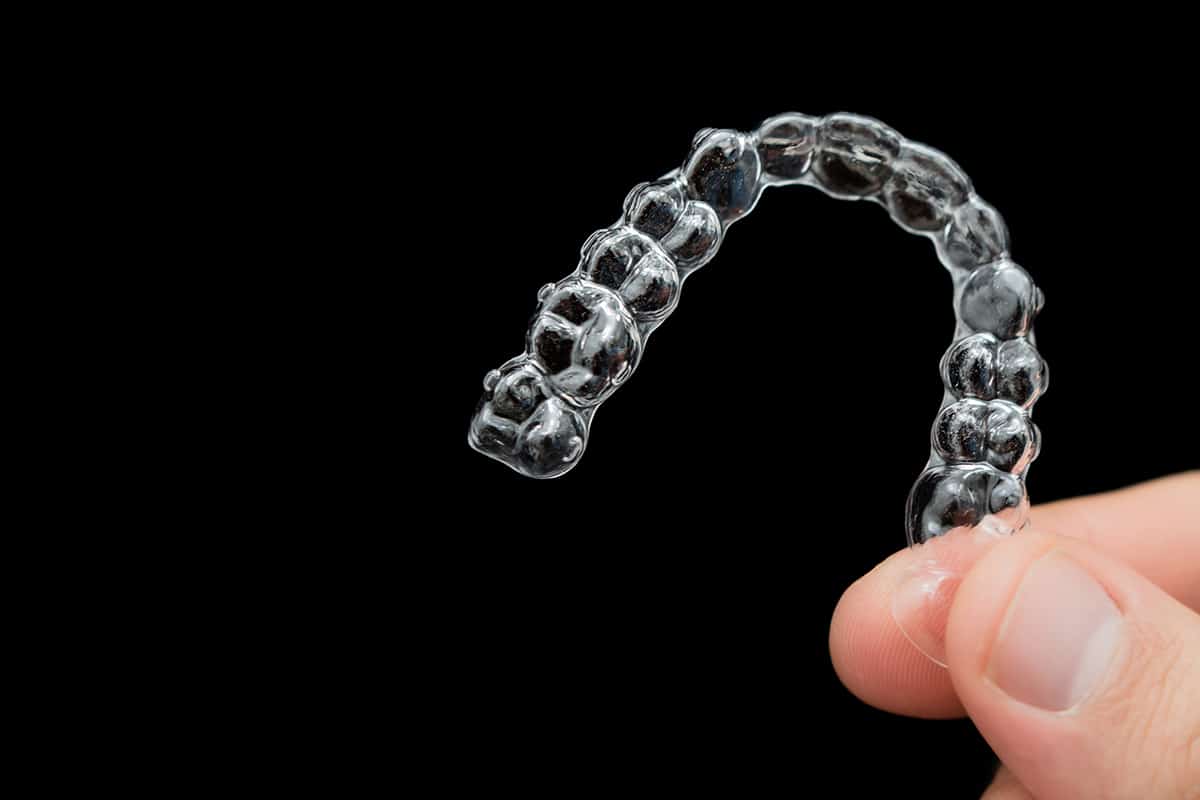
After your digital treatment plan is finalized, a series of custom aligners is created to fit your teeth. Each set is designed to make small, controlled movements, and those small shifts add up over time. Because the aligners are made specifically for your smile, they fit closely and work in a gradual, gentle way.
Patients typically wear each set of aligners for about one to two weeks before moving on to the next set in the series. For the best results, aligners should be worn about 20 to 22 hours a day. You remove them to eat, drink anything other than water, brush, and floss. That flexibility is one reason many patients find Invisalign easier to fit into daily life than they expected.
The aligners are made from smooth, clear plastic, so they are far less noticeable than metal braces. They also do not come with brackets or wires that can rub against the inside of your mouth. In short, they are designed to support a more comfortable treatment experience while still moving your teeth in a planned and effective way.
What the Treatment Process Looks Like
Once you begin wearing your aligners, the process becomes a series of steady, manageable steps. You will wear your trays each day, change them on schedule, and visit our office for periodic check-ins. These visits let us monitor your progress, confirm that your teeth are moving as expected, and make any adjustments if needed. The process is structured, but it is also simple enough to feel manageable in everyday life.
Most patients notice some mild pressure when they start a new set of aligners. That is usually a sign that the trays are working. The feeling often fades after a few days as your teeth begin to adapt. We always want patients to know what is normal, because understanding the process can make it feel far less stressful.
Treatment time depends on your specific needs, but many Invisalign cases take about 12 to 18 months. Some are shorter, and some take longer. Small details such as tooth movement, bite correction, and how consistently the aligners are worn all play a role. Key point: The more closely you follow the plan, the more predictable your results tend to be.
As treatment continues, many patients enjoy seeing gradual changes in the mirror and feeling their bite improve over time. That progress can feel encouraging, especially because the changes happen in a smooth and measured way. At the end of treatment, retainers are usually recommended to help keep your new smile in place. This final step matters because it protects the time and care you have invested in your smile.
A Clearer Path to a Straighter Smile
Invisalign offers a comfortable, discreet, and carefully planned way to straighten teeth without the look and feel of traditional braces. From digital imaging to custom aligners to regular progress checks, each step is designed to move your smile in the right direction with clarity and care. When patients understand the process, they often feel more at ease about starting treatment.
If you have been considering a straighter smile, Invisalign may be a thoughtful option to explore. We want you to feel informed, comfortable, and supported as you consider what comes next, and we are always glad to help guide that conversation.
Frequently Asked Questions About Invisalign
How does Invisalign move teeth?
Invisalign moves teeth through a series of custom-made clear aligners. Each aligner applies gentle pressure to specific teeth, guiding them little by little into better alignment over time.
How many hours a day do we need to wear Invisalign aligners?
For most treatment plans, aligners should be worn 20 to 22 hours a day. They should only be removed for meals, drinks other than water, and daily brushing and flossing.
Is Invisalign painful?
Most patients do not describe Invisalign as painful, but they may feel mild pressure when starting a new set of aligners. That pressure is usually temporary and often fades within a few days.
How long does Invisalign treatment take?
Treatment time varies based on the complexity of the case. Many patients complete treatment in 12 to 18 months, though some cases are shorter and others may take longer.
Can Invisalign help with more than just crooked teeth?
Yes. Invisalign can often help with crowding, spacing, overbites, underbites, crossbites, and other alignment concerns. During your consultation, we can determine whether it is a good fit for your specific smile needs.
At Dentex Smile Studio, we are proud to provide warm, attentive dental care in a comfortable setting where patients feel welcome and supported. We serve individuals and families with a thoughtful approach that values trust, clear communication, and personalized care. If you would like to learn more or schedule a visit, we invite you to contact us.